
Attribution in 2025 Is Crucial to Your Success
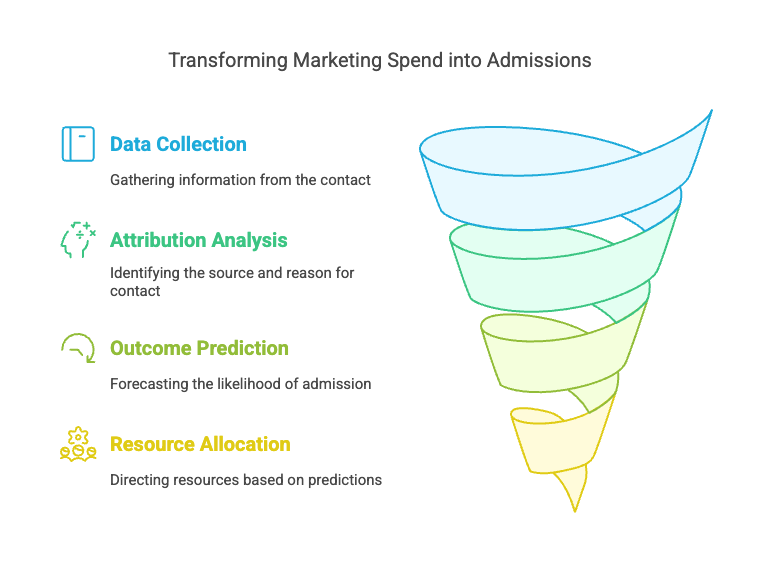
Every admission begins with a moment of contact—a phone call, a form fill, a chat. In 2025, the margin between thriving census and empty beds is determined by how precisely you can pinpoint where that moment came from and why it happened. Attribution is no longer a “nice to have”; it is the connective tissue that turns raw marketing spend into predictable, scalable outcomes.
Yet most treatment centers still fly blind. They install a call‑tracking script, hope the numbers swap, and assume Google Ads will sort out the rest. The result? Millions in wasted budget, misallocated staff time, and—most importantly—patients who never find the help they need.
Why Attribution Matters More Than Ever
- Rising Acquisition Costs – Google, Meta, and programmatic CPCs are continuously climbing. Without airtight attribution, you can’t separate the channels that drive admissions from the ones that drain cash.
- Fragmented Journeys – Prospects bounce between Adwords, Google Business Profiles, and social media channels before they ever dial your number. If your stack can’t stitch these touch‑points together, your reporting is a work of fiction.
- Operational Accountability – Investors and executive teams now demand board‑level optics on marketing efficiency: cost‑per‑qualified‑call, cost‑per‑admission, lifetime value. Flawed attribution kills credibility in the boardroom.
The Common Pitfalls We See
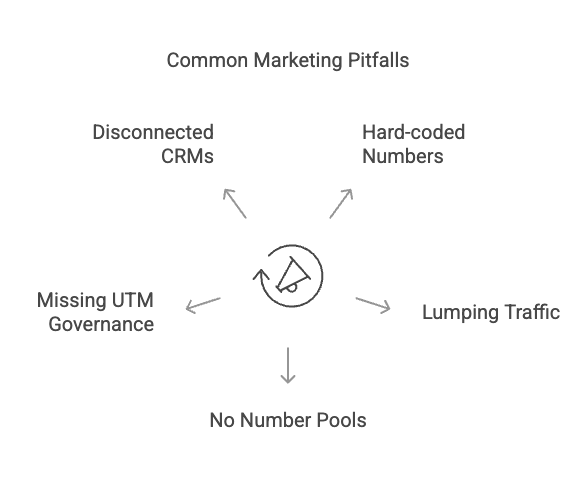
| Pitfall | What It Looks Like | Why It Hurts |
|---|---|---|
| No Dynamic Number Insertion | One hardcoded number on the facility website. | All organic, paid, & referral traffic lumped together—no session data, no keyword clarity |
| No number pools | Single DNI number per source | High‑traffic spikes cause number reuse; calls stitch to wrong sessions; Google Ads conversion imports break |
| Missing UTM governance | No UTMs added to paid efforts – Addiction Help, Rehab Path, Psychology Today, GBP, Etc. | Paid efforts crossing into “Organic” or “Website” attribution. |
| Disconnected CRMs | Call Tracking not pushing session data into CRM | Marketing & Financial teams can’t tie admission revenue back to marketing spend |
Real‑world example: We onboarded a 5+ multi-site location organization that had no UTMs to fire Google Business Profiles when a user clicked to their website. After deploying, we found out they were mis-attributing 20+ admissions on a monthly basis.
Dynamic Number Insertion (DNI) 101
- Target Numbers – Assign a unique master to your website, landing pages, sub-domains, etc.
- Session‑based Swapping – JavaScript swaps numbers in real‑time based on the visitor’s GCLID, GAD, and/or UTMs.
- Number Pools – A pool of XX numbers per traffic expected. Review the documentation from your call tracking provider.
- Source Hierarchy – Prioritize specificity: keyword → adgroup → campaign → channel. Failover rules ensure every visit is tagged.
When executed correctly, a call from [Residential mental health treatment near me] maps to exact keyword, ad, and landing page inside your call tracking software (and if you have it set up properly, your CRM).
Building an Attribution‑Ready Tech Stack for Behavioral Health
- CallTrackingMetrics or CallRail – Robust DNI, webhook support, HIPAA‑ready.
- Google Tag Manager – Houses swap script, custom events, and server‑side tagging.
- GA4, GSC + BigQuery – Unified data layer; resolve multi‑device paths.
- CRM & EMR Integration – Push call sessions into Salesforce, Dazos, KIPU; pull back admission status and LTV.
How All In Digital Marketing Closes the Loop
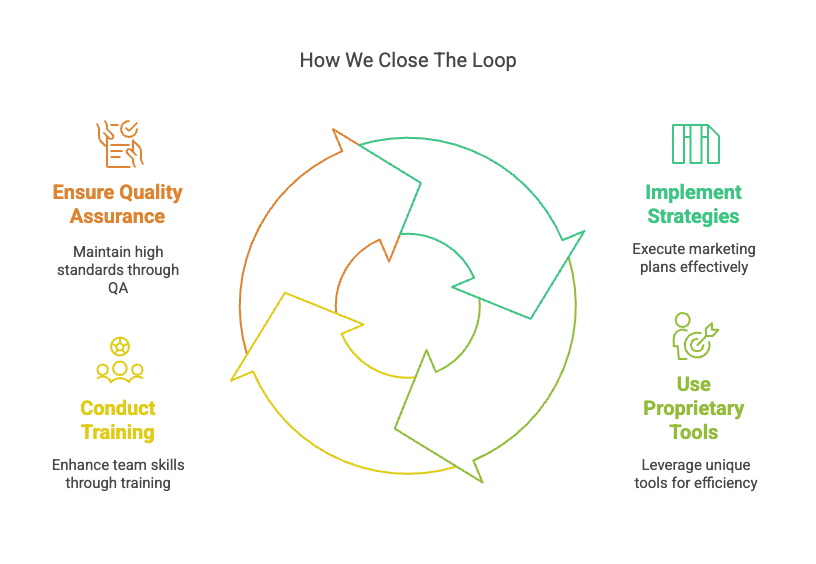
- Full‑Service Implementation – We provide services to deploy, audit, and maintain call‑tracking.
- Proprietary Templates – Pre‑built templates, UTM standards, and CallTrackingMetrics account structures slash setup time by up to 80%.
- Hands‑On Training – Live private workshops for admissions, marketing, and exec teams so everyone reads the same data story.
- Continuous QA – Missed‑call alerts, and monthly pool‑exhaustion checks.
After All In rebuilt our attribution, we uncovered $2.3M in hidden annual revenue from channels we thought were ‘SEO.’ It changed our entire media mix.
—CFO, 8‑location treatment network
Review Your Tracking
- Audit Your Current Setup – Are numbers truly swapping? Do you see session data in your call tracking software and/or CRM? If not, start there.
- Standardize UTMs – Lock naming convention and automate via URL templates.
- Map Conversions Back – Ensure your CRM receives final disposition (admission, discharge, alumni) and feeds back into ad platforms.
- Reach Out for Help – If you’re unsure, let’s schedule a 30‑minute attribution health‑check.
In 2025, attribution isn’t a line item—it’s the foundation of sustainable growth. Treatment centers that master it will fill beds faster, scale smart, and prove ROI down to the penny. Those that ignore it will keep guessing—and paying—for results they can’t see.
Ready to illuminate the path from click to admission? Contact All In Digital Marketing today.

